
Studio Ethos
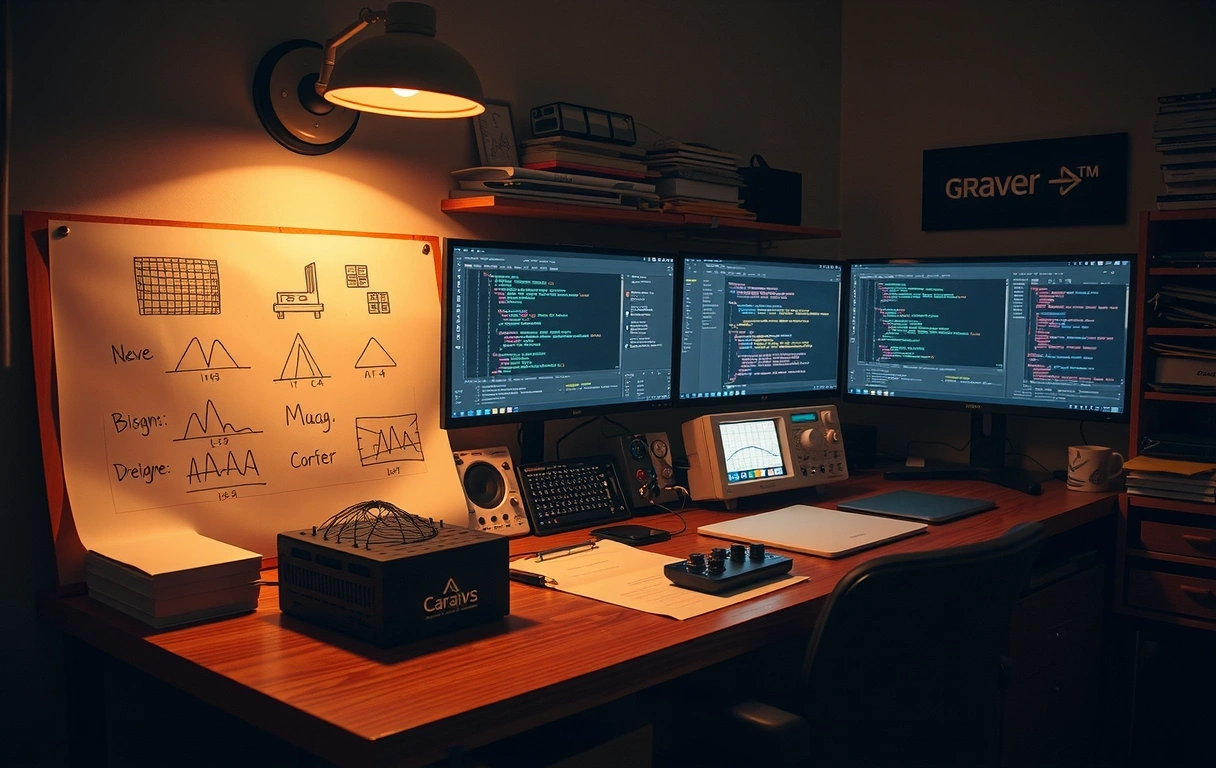
The converted warehouse that started it all. Modular furniture, early kinetic sculptures, and the first broken prototype of 'Knot Garden' sit side-by-side.
We build worlds where the rules are discovered, not explained.
Playtaro began in a warehouse, not a boardroom. Our first project was a physics-based puzzle that defied every convention of mobile gaming. It was raw, unpredictable, and it taught us a fundamental lesson: the most compelling experiences emerge from systems players can manipulate, not scripts they must follow.
This is the 'Playtaro Method.' It treats game mechanics as malleable clay. We don't build code structures first; we build play patterns. Our tools adapt to the experience, not the other way around. The architecture of our games is a living dialogue between player intuition and system response.
Operational DNA
The Non-Negotiables
Intuitive Systems
Every interaction must feel inevitable. We design verbs, not buttons. In 'Knot Garden,' the 'swipe-to-unravel' mechanic emerged from a bug; we built the entire game around it because it felt like discovering a secret language.
Sensory Layering
Sound, haptics, and visual rhythm are composed, not added. We treat silence and space as critical elements. The goal is a cohesive sensory atmosphere, not a checklist of audio-visual features.
Narrative Emergence
Story is a byproduct of play, not a cutscene. We prohibit pre-rendered cinematics in core titles. The lore is found in the environment, the mechanic's consequence, and the player's own emergent discoveries.
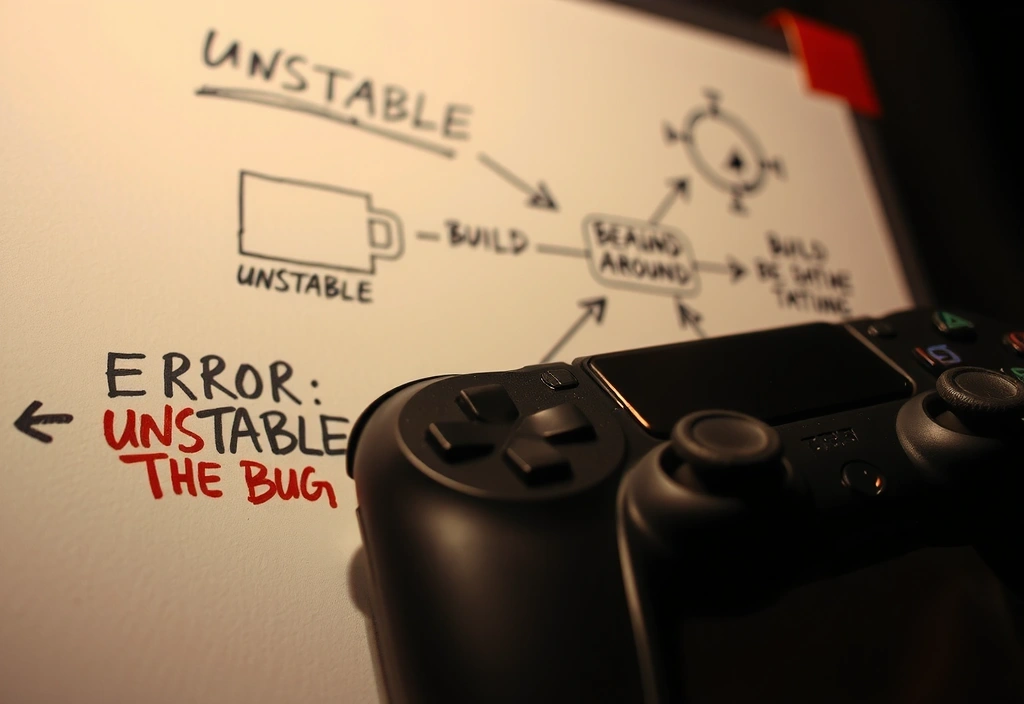
The 'Momentum' Diagram
A failed initial concept for a gravity mechanic. The 'unstable' annotation became the seed for a game about controlled chaos.
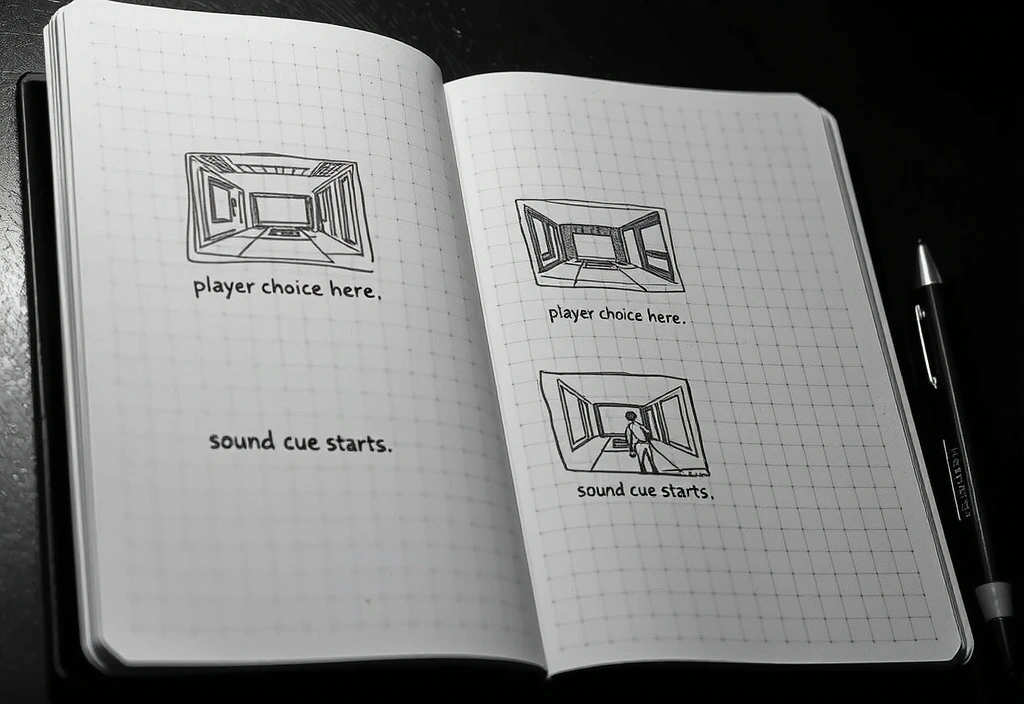
The 'Last Circuit' Frames
Core narrative beats were mapped by hand first. The frantic notes show the struggle to align emotion with interaction.

Evolution of 'Neon Bloom'
From concept to mood-tested final. The final palette was chosen based on contrast ratios for low-vision accessibility, not just aesthetics.
Decision Lens
Our Core Trade-off
A guiding constraint that defines every choice.
Player Satisfaction Over Metrics
This trade-off is a design constraint, not a sentiment. It means we will:
- Cut a feature that breaks balance, even if it drives a launch spike.
- Design tutorials that take longer but ensure comprehension over retention tricks.
- Accept slower growth curves for a community that trusts our design intent.
Our Lexicon
Terms we use daily, with our specific connotations.
Verb-Centric Design
Not a Feature, but an Action
We design the player's verb first (swipe, hold, rotate). The UI is just the visual translator. If the verb feels good without the interface, it's a win.
Sensory Budget
Not 'Add More', but 'Compose'
Every sound, effect, or color has a weight. We 'spend' it on emotional peaks. Silence and negative space are primary assets, not afterthoughts.
Emergent Narrative
Not Scripted, but Revealed
We plot player action consequences, not dialogue trees. The story is what the player *does* in the system we build.
Friction & Flow
Not 'Smooth', but 'Intentional'
We design deliberate resistance. The goal isn't to eliminate all friction; it's to make every 'click' meaningful and every resistance a teacher.
"The client wanted a 'simplicity' slider. We gave them a 'risk' lever instead. The player now chooses how much the world will break around them. The tension is the game. The slider is the interface."
Ready to build something tangible?
Let’s discuss your project’s constraints, not its features.
Playtaro · ul. Nowy Świat 1, 00-001 Warszawa, Poland · info@playtaro.pro · +48 22 123 45 67