
The Arcade of Unreleased Dreams
A curated laboratory of ideas. We don't chase trends; we prototype the mechanics that will define the next decade of interactive storytelling.
Mechanics in Motion: The Visual Glossary
A reference for the unique gameplay languages we invent. Each mechanic is a tool for expressive interaction.
Temporal Echo
Players record their actions, then interact with their own ghost movements as puzzle elements.
Gravity Weaving
Manipulate localized gravity fields to redirect projectiles and navigate inverted spaces.
Sonic Architecture
Build structures from sound waves, where different frequencies create different material properties.
Memory Stitching
Players stitch together fragmented narrative memories to reconstruct a non-linear story.
Chromatic Field
Environment shifts geometry and physics based on the dominant color hue in the player's palette.
Haptic Narrative
Story beats are conveyed through variable controller vibration patterns and resistance.
The Making of "Chromatic Drift"
The initial concept was a rigid, grid-based puzzler. Players moved colored blocks to match a target pattern. Functional, but sterile.
The breakthrough came during a late-night prototyping session. Our lead developer, frustrated with the lack of momentum, accidentally created a bug where blocks would "drift" past the grid boundaries when velocity was above a threshold.
Instead of fixing the bug, we leaned into it. We rebuilt the core mechanic around physics-based color drift, where hue not only dictates identity but also alters gravitational pull and friction. The game transformed from a logic puzzle into a tactile, flowing experience.
"The most elegant solutions often masquerade as errors. You just have to be willing to see them." — Lead Developer, Playtaro


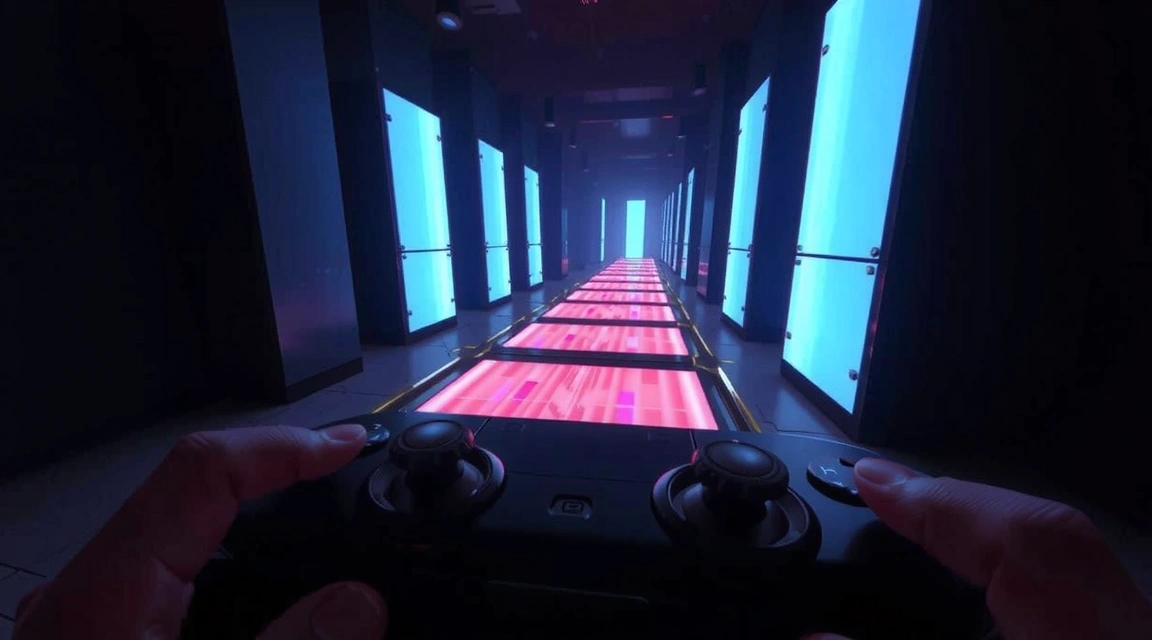
Decision Lens
Use this framework to evaluate our mechanics against your project's needs.
What It Optimizes For
- Expressive Player Agency
- Novel Feedback Loops
- Memorability Through Disruption
What It Sacrifices
- Fast Learner Clarity
- UI/UX Familiarity
- Day 1 Performance (Optimization Required)
Trade-off Analysis: Depth vs. Accessibility
Complexity Creep
Adding a 5th color state to Chromatic Drift solved a puzzle variety issue but increased beta-tester frustration by 35%.
Performance vs. Visuals
Full-screen particle effects for Sonic Architecture caused frame drops on mid-range Android devices.
Monetization vs. Trust
Post-launch analytics showed players who bought time-skip IAPs had lower long-term engagement.
Scenario Vignette
"A QA tester on a 3-year-old Samsung A-series phone reported that the 'Memory Stitching' interface became unresponsive after 20 minutes of play. The issue was traced to a memory leak in the texture streaming for the timeline UI. We prioritized a patch to cap the timeline length, trading a minor narrative limitation for essential stability. This is why we run tests on actual hardware from 2018 and earlier."
Ready to prototype?
See our process for turning these ideas into shippable games.