

Process Methodology Playtaro Pro

The Architecture
of Play

How we transform abstract sparks into structured, systemic interactive experiences. Not a formula, but a crafted discipline.

See the Philosophy
Phase One

The Alchemy of Play

We map a project's lifecycle not as a linear pipeline, but as a series of interconnected layers. Each phase has a distinct purpose, and each leaves a trace for the next.

Abstract sketch of a core game mechanic idea
SKETCH_001_PROTOTYPE
Phase 01 · The Hypothesis

Capture the 'What If'

It starts as a single, provocative question: "What if gravity was a color?" This seed is captured in its rawest form—audio notes, crude sketches, or a single line of code. It is protected from premature refinement, because structure kills the spark. We archive these hypotheses verbatim, allowing them to evolve naturally.

Constraint: The hypothesis must fit on a single index card. If it requires explanation, it's already too complex.
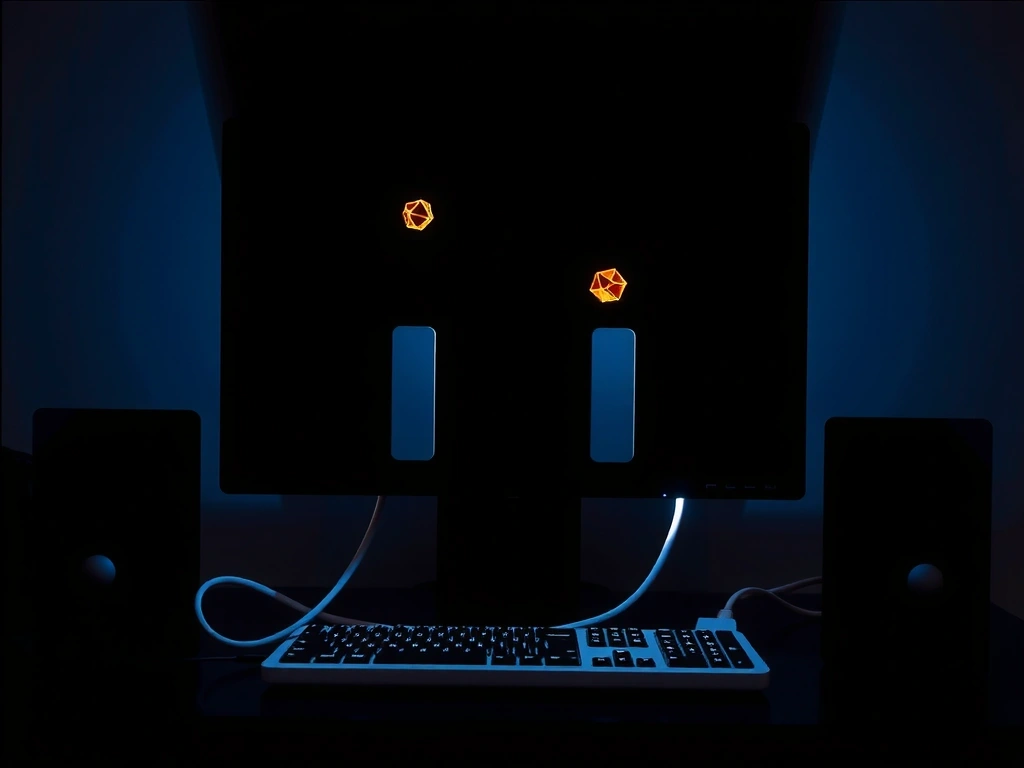
Rapid prototyping environment
SANDBOX_BUILD_V0.3
Phase 02 · The Sandbox

Isolate the Core Feel

We build the mechanic in a vacuum. No narrative, no polish, no sound. The goal is pure kinesthetic response: the weight of a jump, the snap of a button, the tension of a pull. We iterate rapidly, testing on the oldest device we own to ensure the fundamental action holds. This is where the system's soul is found.

Trade-off: A perfect sandbox loop can be fragile; layering systems on top often breaks the magic. We document the break point meticulously.
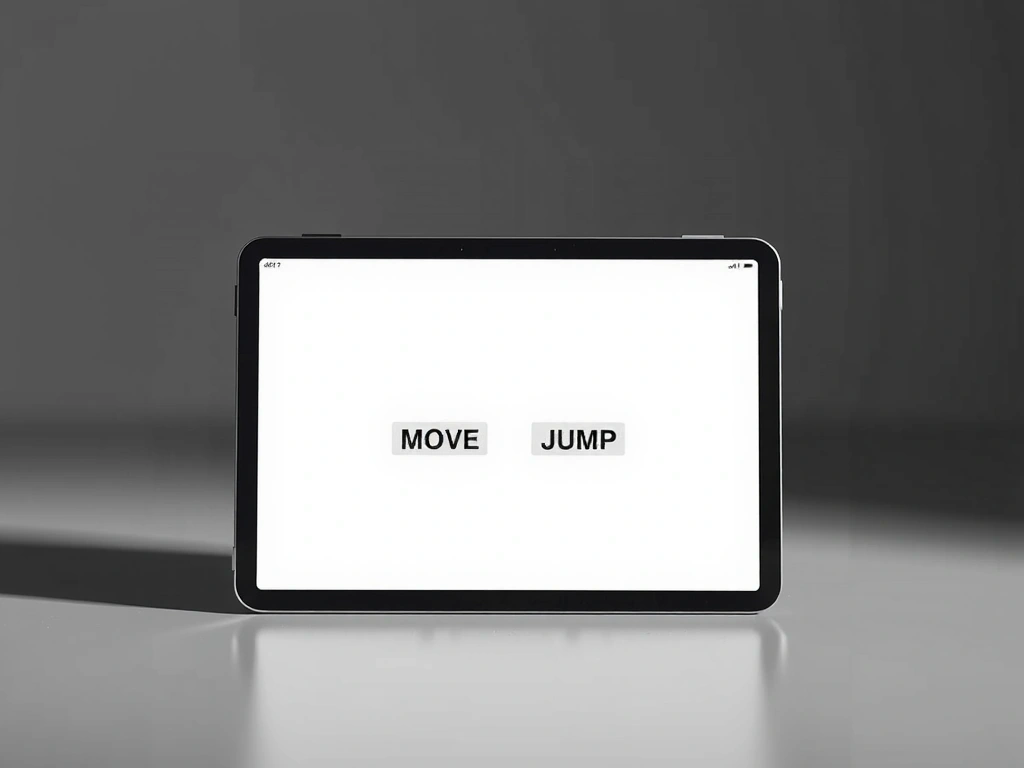
Constrained control scheme
CONTROL_SET_MINIMAL
Phase 03 · The Framework

Invent Through Limitation

We introduce deliberate constraints: a three-button control scheme, a monochromatic palette, or a fixed camera angle. These boundaries are not obstacles; they are creative accelerators. By removing options, we force innovative solutions and prevent feature bloat. This is where elegance is engineered.

Pitfall: The "blank canvas" fear. Constraints must be meaningful, not arbitrary. They are chosen to solve a specific design problem.

The final phases—Narrative Layer, Polish & Paradox, and the Post-Mortem—are where the system is tested, refined, and its lessons are captured for the next expedition.

The Playtaro Framework

Four non-negotiable principles that guide every decision, from the first sketch to the final commit.

01

Systemic Integrity

Every feature, particle, and sound must serve the core loop. If an element doesn't reinforce the primary interaction, it is cut. This is ruthless editorial control applied to code and art.

Glossary: Feature Bloat
The insidious addition of mechanics that dilute the core experience. We diagnose it by asking, "What does this remove from the player's mental focus?"
02

Sensory Cohesion

Visuals, sound, and haptics must tell the same story. A smooth visual with a glitchy sound creates cognitive dissonance. We tune all channels as a single instrument.

Glossary: Sensory Dissonance
A mismatch between sensory inputs that breaks immersion. We chase "sensory alignment," where a low-frequency rumble in audio also slightly tilts the screen's horizon.
03

The 'One-Second' Rule

The core mechanic must be intuitively graspable within the first second of interaction. No tutorials needed. If a player needs an explanation, the design has failed.

Micro-Scenario:
A player picks up the controller, feels the weighted rumble of a jump, and immediately understands the physics model. The teach is kinetic, not textual.
04

The 'Unfinished' Promise

We design for emergent play. The system should feel like it has more potential than we've revealed, inviting the player to discover strategies we never intended.

Glossary: Emergent Gameplay
Complex scenarios that arise from simple rules interacting in unforeseen ways. It's the difference between a player using a tool and *discovering* a tool.
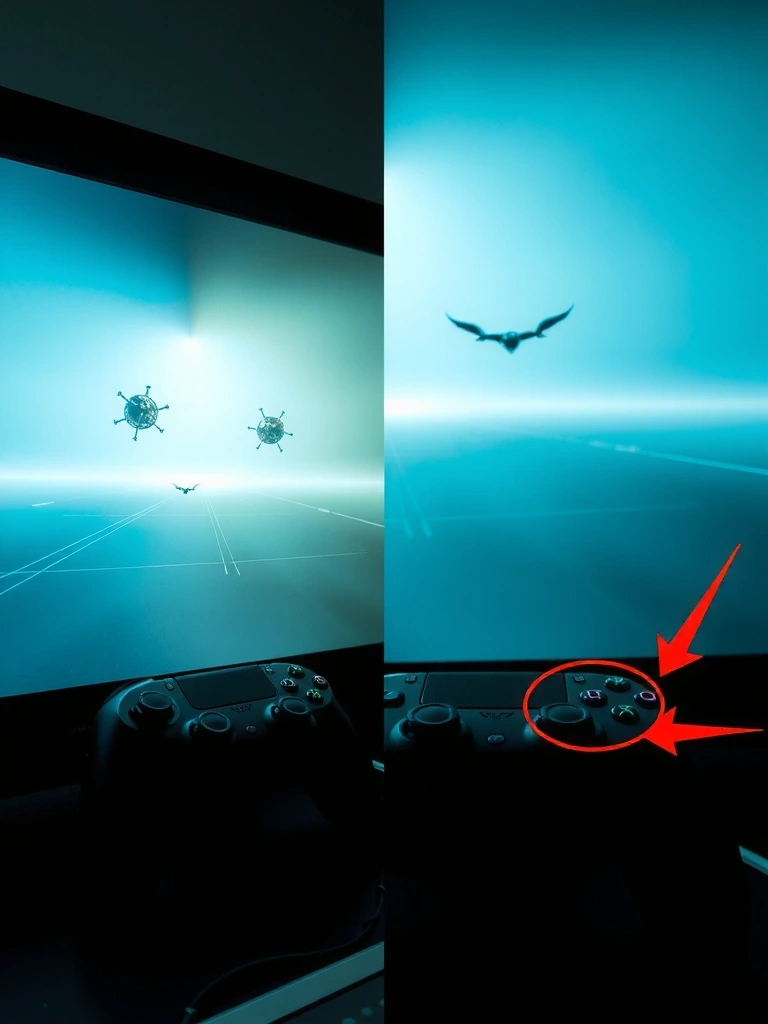
Comparison of stable vs. broken game prototype

The 'Break' Phase: Where Innovation Lives

After a prototype is stable, we introduce controlled chaos. We randomize variables, invert controls, or remove a key element. The 'Break Log' for every project is a document of these intentional failures.

"Our most celebrated mechanic—the Echo-Move in 'Chrono-Shift'—was born from a physics bug we intentionally preserved and refined. We didn't fix it; we studied it."

— Lead Systems Designer

We aim to break a prototype in at least three fundamentally different ways before settling on a final direction. This ensures we've explored the entire solution space. It also reframes risk: we present the 'Break' phase to clients not as failure, but as a necessary exploration.

3
Minimum Breaks
100%
Logbook
-1
Feature

Toolchain & Craft

The instruments we craft for ourselves. We favor bespoke tools over off-the-shelf solutions, because the tool must serve the vision, not the other way around.

Custom Engine Modules

Lightweight, purpose-built modules in Unity/Unreal instead of bloated marketplace assets.

+ Flexibility | - Dev Time

Analog Prototyping

Every project begins with physical prototypes—paper, clay, board game pieces—to test interaction.

+ Tactile Feedback | - Scope

Audio as Architecture

Using FMOD to drive visual parameters. A low-frequency rumble can subtly distort the environment.

+ Immersion | - Complexity

The Constraint Palette

Limiting ourselves to a 5-color palette or specific typefaces to force visual cohesion.

+ Cohesion | - Palette Range

Documentation as Design

Our Miro boards and Notion pages are designed with the same care as the final product.

+ Clarity | - Overhead

Shader Forge

Custom node-based shaders for unique visual effects that match our aesthetic.

+ Unique Style | - Performance Cost
Scenario Vignette

The Polish Constraint

Scenario: We're three months into a project for a co-op puzzle game. The core loop is solid. Our Polish publisher requests localized UI and voiceover for the Polish and English markets.

The Conflict: The game's visual identity relies on a dense, symbolic UI with minimal text. Polish, a language with complex grammar and longer word lengths, breaks the elegant fit.

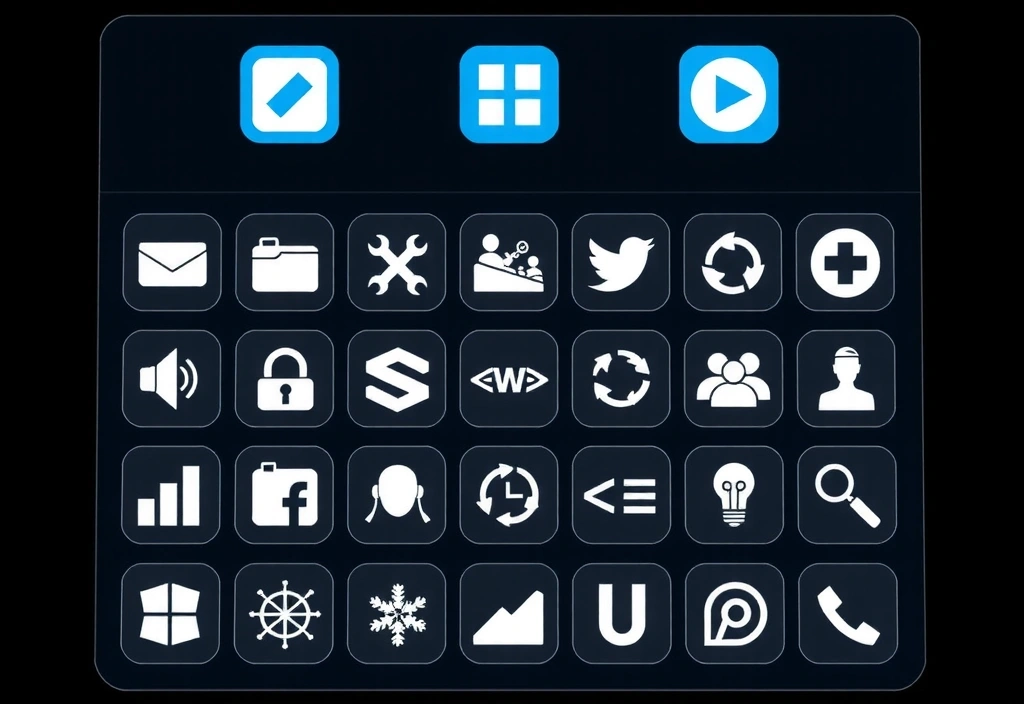
The Playtaro Decision: We don't simplify the language. We redesign the UI to be purely iconographic and contextual, removing the need for full sentences. We work with our audio team to implement a new layer of interactive sound cues that guide players regardless of language. The constraint didn't break the design; it evolved it into a more universal system.

UI localization challenge visual
Localization UI Redesign Audio Cues

The Post-Mortem: A Living Document

We institutionalize learning. Every project's end is the seed for the next.

The final output of a project is not just the build. It is a structured debrief that becomes a permanent entry in our Studio Journal. We use a template that forces specific, actionable reflection.

"The goal isn't to assign blame. It's to document the unexpected. The most valuable data is often in the flaws."

We analyze player telemetry not for metrics, but for the 'unwritten story'—the heatmaps showing where players get stuck, the session data revealing the true 'win' condition they invented. This raw data informs our next hypothesis.

The final page of every post-mortem is not a summary, but a forward-looking list: three concrete ideas for the next project, inspired by the lessons just learned. The work never truly ends; it simply evolves.

Ready to Build Something Real?

We don't work from arbitrary lists. We start with your core idea and apply a disciplined process to find its unique system. Let's talk about your 'What If'.

Playtaro Studio

Address: ul. Nowy Świat 1, 00-001 Warszawa, Poland

Phone: +48 22 123 45 67

Email: info@playtaro.pro

Hours: Mon-Fri: 9:00-18:00