
Visuals as Architecture.
Mechanics as Narrative.
We build gaming apps that respect the player's intelligence. Every pixel, every haptic response, and every silence is engineered to create immersion without clutter. This is the work.
The 'Live Session' Log
Transparency is our baseline. Below is a snapshot of anonymized telemetry from our current build candidates. We don't optimize for vanity metrics; we optimize for stability and engagement duration.
"Sector 7G" map loaded. Average touch-to-response time: 12ms on Pixel 6a. No jitter detected.
User #8842 completed 42-minute session. Stability meter remained above 85% threshold. No crashes.
Spatial mapping test passed. High-frequency cues correctly identified interactive objects with 94% accuracy.
UI Element count locked to 3 per screen. Cognitive load metrics within "Monastic" target range.
Design Syntax & Lexicon
The technical constraints and editorial choices that define a Playtaro app. Read as a spec sheet, not marketing.
Core Terminology
- Kinetic Typography
- Text elements that physically react to input. Not decoration—it's secondary gameplay. Viewpoint: If text doesn't move, it's dead weight.
- The Ripple
- A proprietary feedback loop where actions create expanding visual echoes. Viewpoint: Never use sound alone. The eye and ear must confirm.
- Spatial Audio Map
- Sound design that functions as a navigation tool, not just ambience. Viewpoint: Silence is a mechanic, not an absence.
- Monastic UI
- Strict limit of 3 interactive elements per screen. Viewpoint: Choice paralysis kills immersion. Clarity is king.
The Decision Lens
Engineer's Trade-offs
- • Visual Fidelity vs. Performance We reduce particle count by 30% to ensure 60fps on 5-year-old hardware.
- • Player Freedom vs. Guided Experience We limit map navigation to prevent cognitive overload, sacrificing exploration for narrative focus.
- • Polish vs. Dev Time We delay release to refine haptic feedback sync, rather than adding new levels.
Release Criteria
Project Atlas
12 Featured / 47 Total. Arranged by conceptual evolution.
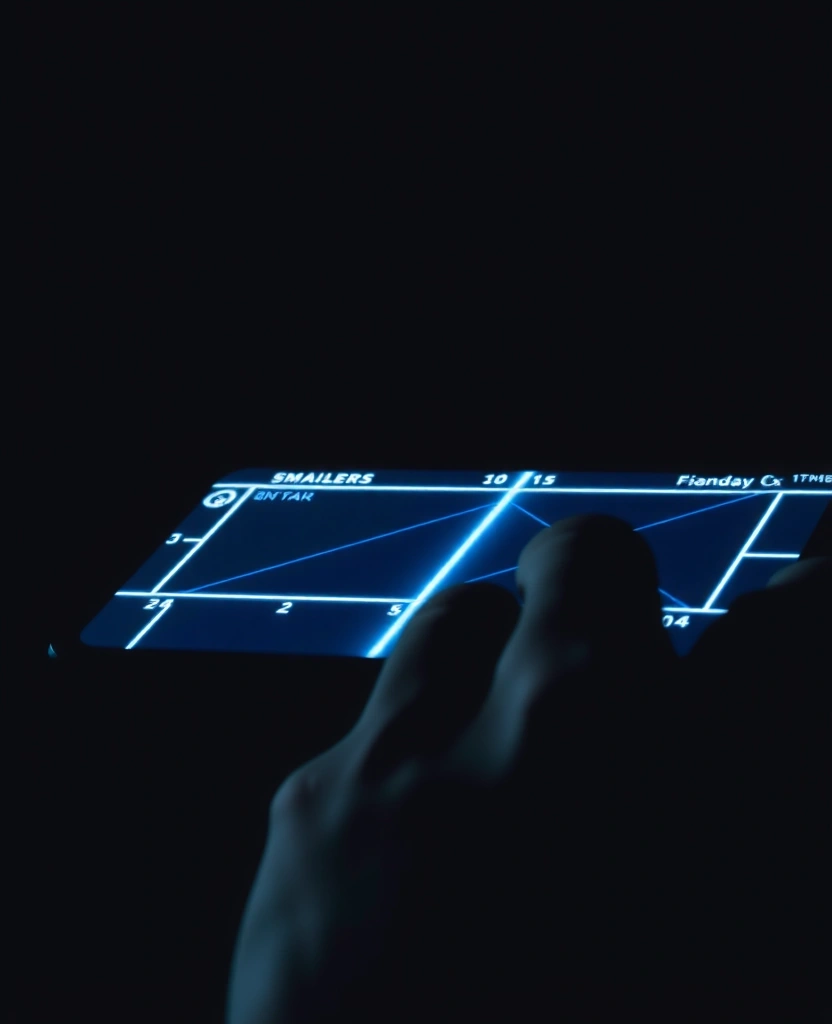
Echoes of the Void
Thesis: Testing if silence and geometry can replace traditional enemy design.
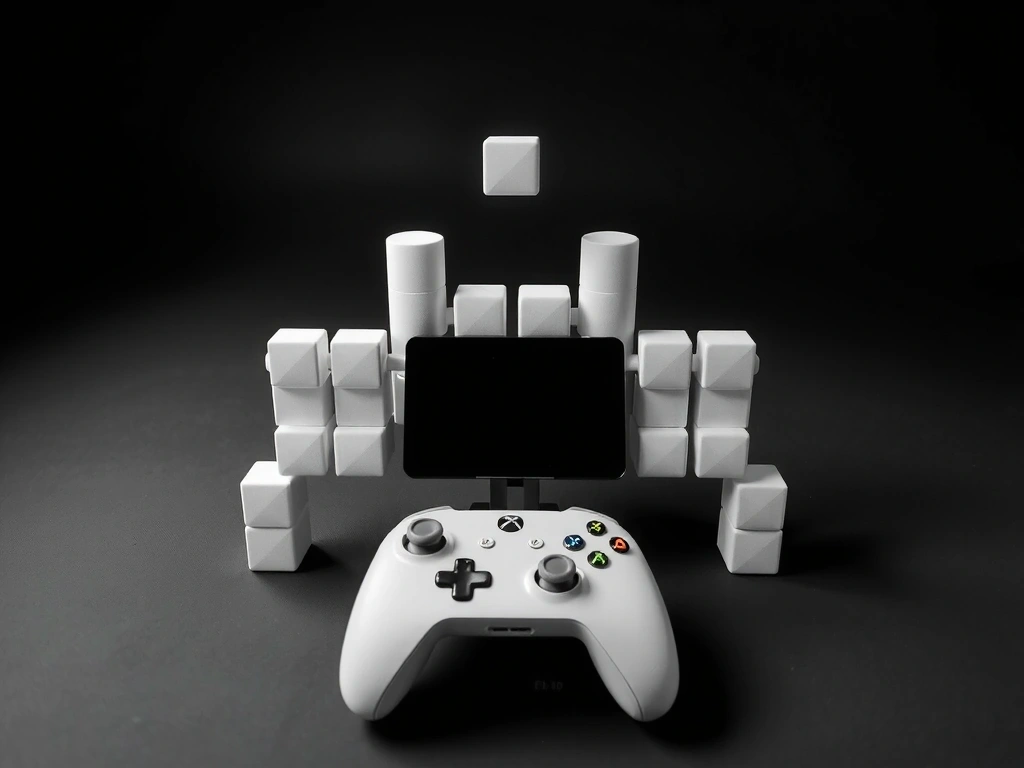
Labyrinth OS

Neon District
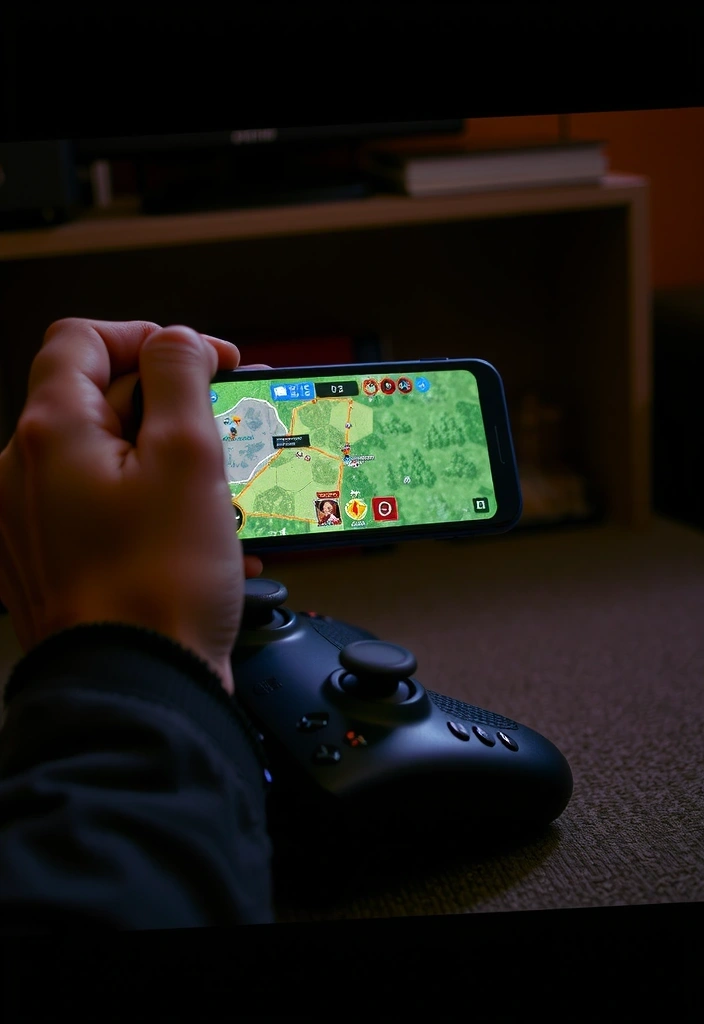
Zen Command
Optimized for 3-minute sessions. 40% retention boost after UI overhaul.

Flux Theory
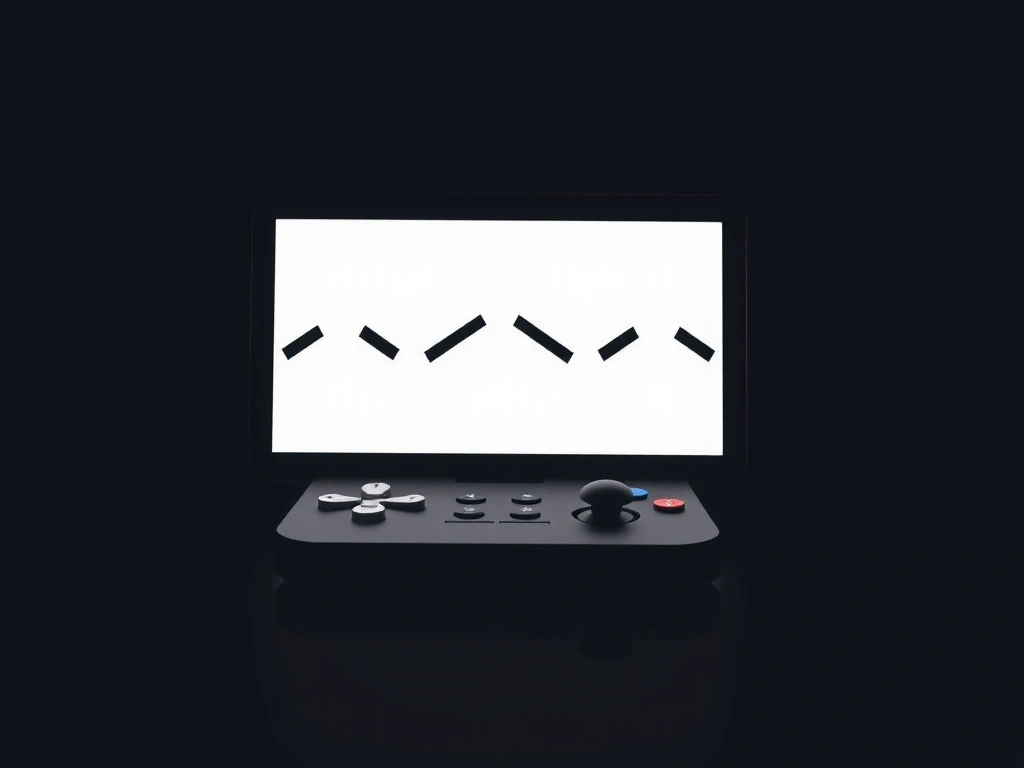
Beat Void
Many projects are under NDA.
For full portfolio access, please request via our contact channels.
Evaluation Method: The 'Monastic' Stress Test
We don't benchmark against competitor apps; we benchmark against human attention spans. Our "Monastic" protocol evaluates builds based on cognitive load rather than feature count.
Ready to discuss your next project?
Whether you're an indie developer needing a design audit or a studio looking for a full-cycle production partner, we are ready to build.